
The SF Moving Guide: How to Navigate SFMTA Permits, Steep Hills, and Pre-Staging Cleanouts
If you are preparing a historic San Francisco home for the market, you already know the stakes are incredibly high. Professional staging isn't just about aesthetics; in our competitive Bay Area real estate market, a beautifully staged home can command a 4% to 12% premium above the asking price.
But before the stylists roll in with minimalist platform beds and sleek open shelving, you face a massive physical and regulatory hurdle: the spatial purge.
Clearing out decades of accumulated furniture and visual clutter from a classic pre-1920 Victorian walk-up or a compact urban flat is a major logistical puzzle. Between steep inclines, narrow stairwells, and aggressive traffic enforcement, an uncoordinated cleanout can quickly result in damaged property, delayed timelines, or thousands of dollars in municipal fines.
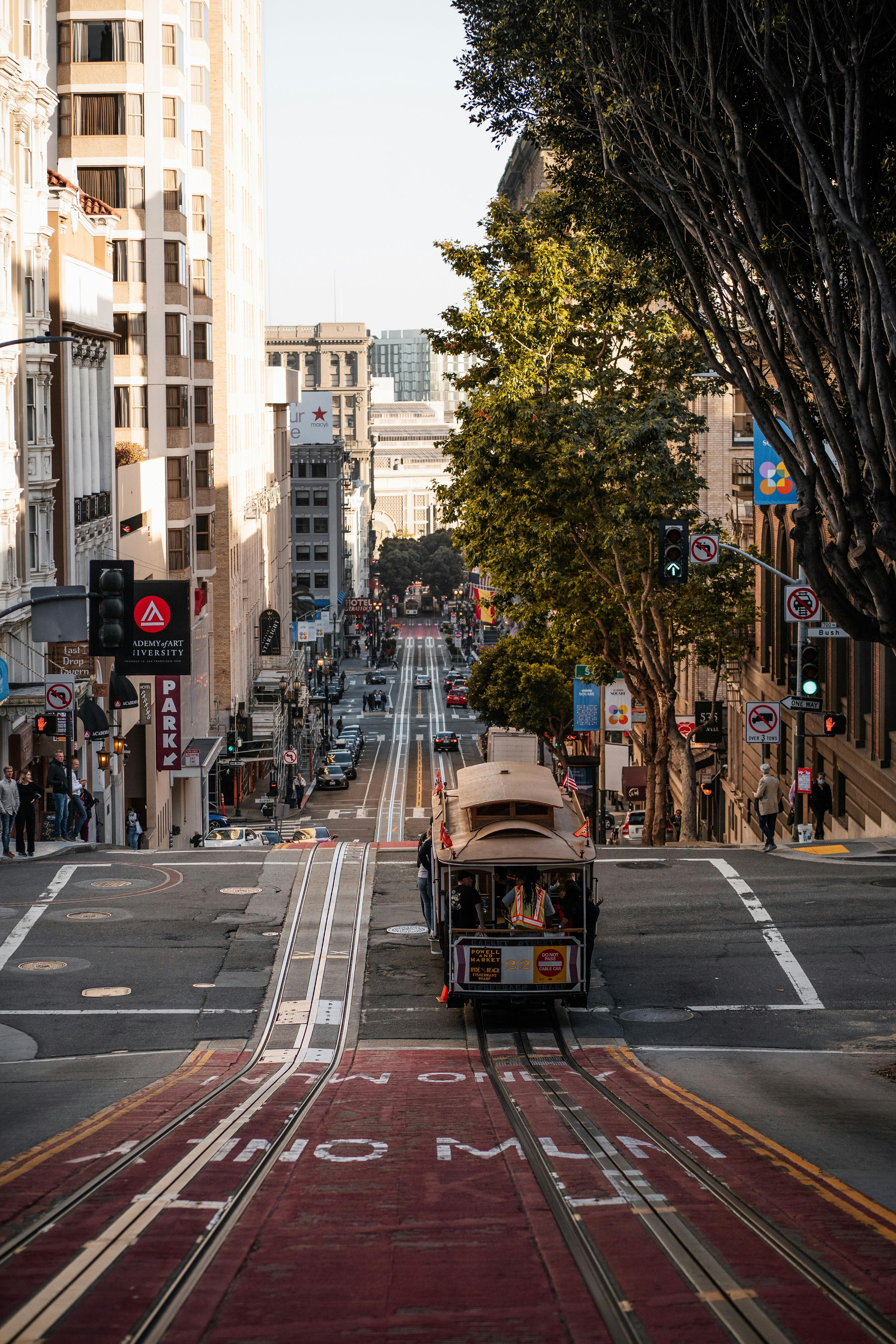
Look at the image above—the extreme street angles that give San Francisco its iconic charm are the exact same features that create a logistical challenge for standard moving and hauling crews. When you are dealing with street grades exceeding 15 percent, you cannot simply park a standard box truck and hope for the best.
To pull off a seamless, stress-free pre-market clearout, you need to master two distinct challenges: physical micro-logistics and SFMTA municipal compliance.
1. The Physical Reality: 15% Grades and Victorian Staircases
Moving heavy furniture or outdated appliances down narrow corridors like Masonic Avenue or through tight SoMa alleys requires specialized equipment and technical planning.
- Dolly Relay Teams: On hills with severe inclines, standard wheel-rolling isn't safe. Professional crews use a relay system—staging trucks on level ground whenever possible and using multi-person teams to control heavy loads step-by-step.
- Safety Mechanics: Every hauling vehicle must deploy heavy-duty wheel chocks. Wheels must be turned properly into the curb (turned toward the curb when facing downhill; turned away from the curb when facing uphill) to comply with city safety ordinances and prevent catastrophic runaways.
- The Double-Parking Trap: Think you can just pull up the hazard lights for 20 minutes? Double-parking on high-density SF transit corridors will get your truck ticketed or towed instantly, causing major disruptions to your home listing timeline.
2. The Regulatory Shield: Navigating SFMTA Temporary Permits
To legally lock down a dedicated parking zone for a hauling truck right outside your property, you must secure a Temporary No Parking Permit from the San Francisco Municipal Transportation Agency (SFMTA). Trying to guess this process or ignoring it entirely is one of the quickest ways to derail your project.
Because missing a single deadline can completely invalidate your parking space or strip away your towing privileges if a neighbor parks in your zone, order and timing are critical. Follow this exact timeline to secure your zone legally:
3. Partnering with Organizers to Maximize Perceived Space
Many local home sellers work directly with certified KonMari consultants and professional organizing firms—like Tailorly or Tidy Lifestyle—to emotionally and mentally process their belongings during a downsize. These experts are incredible at identifying what items no longer "spark joy," but they aren't equipped to do the literal heavy lifting.
The Clearout Solution: By coordinating a professional hauling crew to arrive exactly as the organizer finishes sorting, you remove the physical friction from the project. Old heavy mattresses, outdated appliances, and bulky furniture disappear instantly, allowing real estate photographers to capture the true, unobstructed square footage of the property.
Ready to Clear the Way for a Top-Dollar Sale?
Don’t let parking tickets, steep stairs, and permit bureaucracy slow down your real estate listing. Our fully insured, hyper-local crew knows exactly how to handle SFMTA permits, safely navigate San Francisco's historic hills, and coordinate seamlessly with your interior designer or professional organizer.
Schedule Your Staging Cleanout